As in all European countries, electricity prices are soaring in Spain. The price of electricity is now five times as high as it was a year ago during the most expensive part of the day.
But unlike in most countries, prices in Spain are traded on the electricity exchange and are based on daily rates and are not fixed by consumer associations for a certain period of time. This means that the record prices reach the consumer directly, from one month to the next.
The Spanish government is trying to counteract this, and Prime Minister Sanchez promised his people that their annual electricity bills will not be higher this year than in 2018. For example, the government has already reduced VAT on electricity from 21 to ten percent. It also wants to force energy suppliers to pass on compensation for CO2 savings to consumers.
Rising electricity prices on the exchanges are driven by gas prices. This increases the cost of generating electricity in gas-fired power plants. Other sources of electricity, such as wind and hydroelectric power, are not affected, but the final price is always based on the most expensive supply. This is market distortion for some, but an important signal for others, otherwise cheap electricity from hydropower would be almost free. And that would hardly convince consumers to save electricity. Besides, water is scarce in Spain and it is not possible to supply the country with electricity from hydropower over a large area.
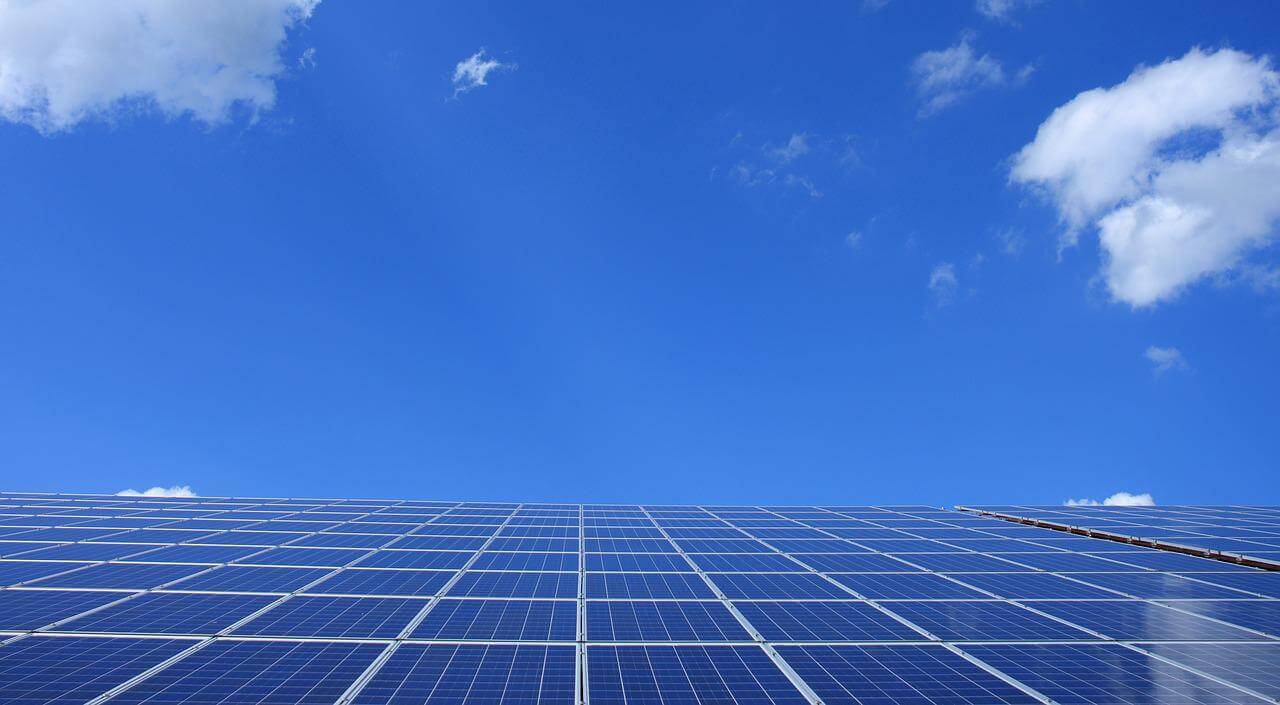
Regardless of whether it is an intervention in the market or just cosmetics, in the long term the switch to solar energy is worthwhile, especially in Spain. Private households in particular can benefit from the self-sufficient grid and are only exposed to price fluctuations of the suppliers with a "stand-by line".
The Iberia Energy team will be happy to advise you on switching to solar energy and show you ways to store your own electricity or feed it into the public grid.